Take a look at the image above. It looks like a retro indie game, right?
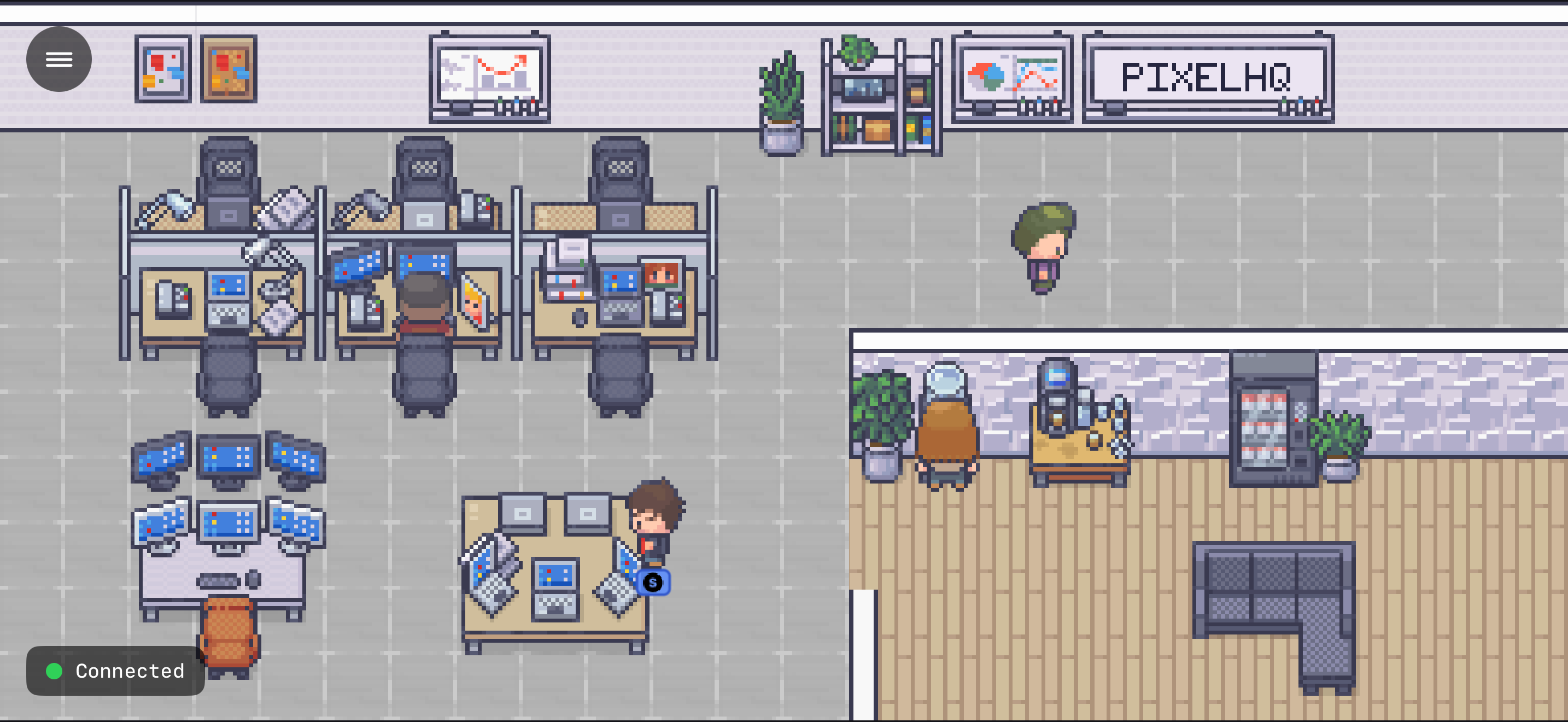
It's actually a tool called PixelHQ. If you're running a multi-agent workflow on your system, you can connect it directly to your terminal. Just spin it up:
npx pixelhqSuddenly, you have a bird's-eye view of your virtual office. You can literally watch your AI "employees" working hard at their desks. The best part? When they accomplish their tasks, their avatars get up and go chill by the water cooler. It's a brilliant, fun way to visualize the background processes doing the heavy lifting.
But while watching virtual agents take a coffee break is cool, I want to talk about the actual heavy lifting happening behind the scenes.
The Real Magic: Orchestrating OpenCode
About three to four weeks ago, I started diving deeper into OpenCode and agent orchestration. I wanted to see how far I could push a fully automated development workflow.
I hooked up my Claude subscription (maxed out the limits) and told it I wanted to build a full app. Here is how the timeline played out:
- The Blueprint: We started by drafting a complete Product Requirements Document (PRD).
- The Core App: Within three days, the main application was built.
- The Backend: Over the next two days, we spun up a fully functional admin panel, complete with authentication and database logic.
What really struck me during this process is that the life of a Product Manager, or really anyone with a vision, just got fundamentally upgraded. If you can clearly articulate an idea, you can go and build it.
"But I'm Not a Tech Guy..."
It's easy to think that because I'm an advanced user, I have an unfair advantage orchestrating these tools. But the barrier to entry has essentially vanished.
To prove it, I ran a little experiment with a colleague. He's a sales manager with absolutely zero coding knowledge. I gave him a few basic hints to see if he could grasp the workflow, pointed him toward the terminal, and introduced him to Claude Code.
claude code "bootstrap a new web app and add a landing page"He took it from there. One morning, just two days later, he came into the office showing off what he had built. Not only did he generate a functional application entirely through terminal prompts, but he actually managed to deploy it live to the web.
The Future is Bright
Seeing a non-technical sales manager ship software in 48 hours made one thing abundantly clear: This is the future, and I am not scared of it. The future is incredibly bright. We live in a world packed with brilliant people who have game-changing ideas but simply lack the massive budgets required to hire a team of senior developers. Historically, money was the gatekeeper to innovation.
Today, that gate is wide open. If you have the vision, the AI workforce is ready to build it. You just have to tell them what to do (and maybe give them a virtual water cooler to hang out at when they're done).